You lay track from town to town, carry what the towns and the mills want carried, and try to still be in business when the railroad next door is not. The earliest games begin in 1830 with one small engine. The last end in 2000.
I Dig
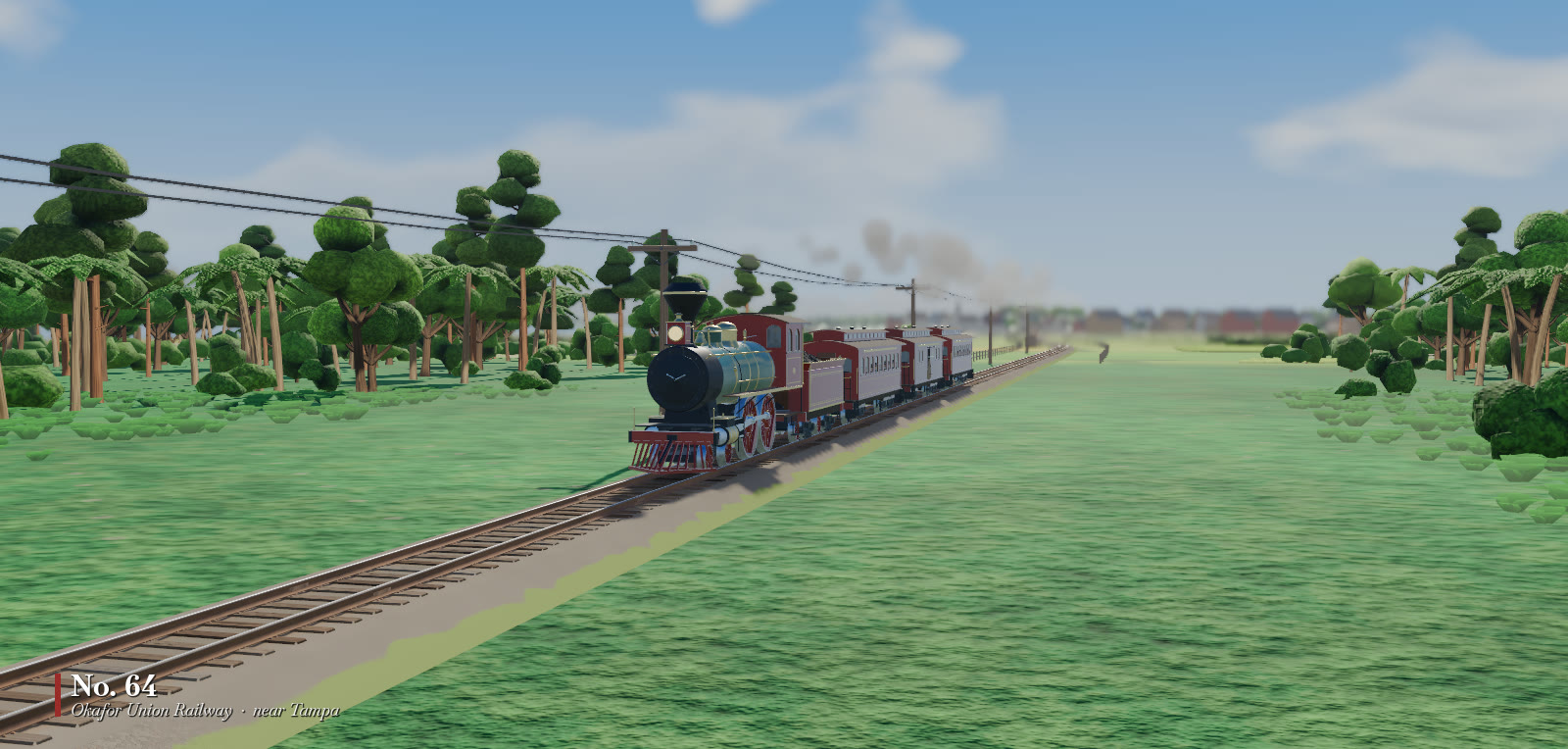
Point from one town to the next and the surveyors find a grade a train can climb. Rivers get bridges. Hills are gone around, or cut through if you would rather pay for that.
II Blast
Where there is no way round, the line goes under. Tunnels are real bores: you can watch a train in at one end and out at the other, or ride through on the footplate.
Tarriers were the crews who drilled the rock for them. The game is named for them.
III Trade
Passengers, mail and twenty-one kinds of freight, from coal and grain to steel and automobiles. A longer haul pays more.
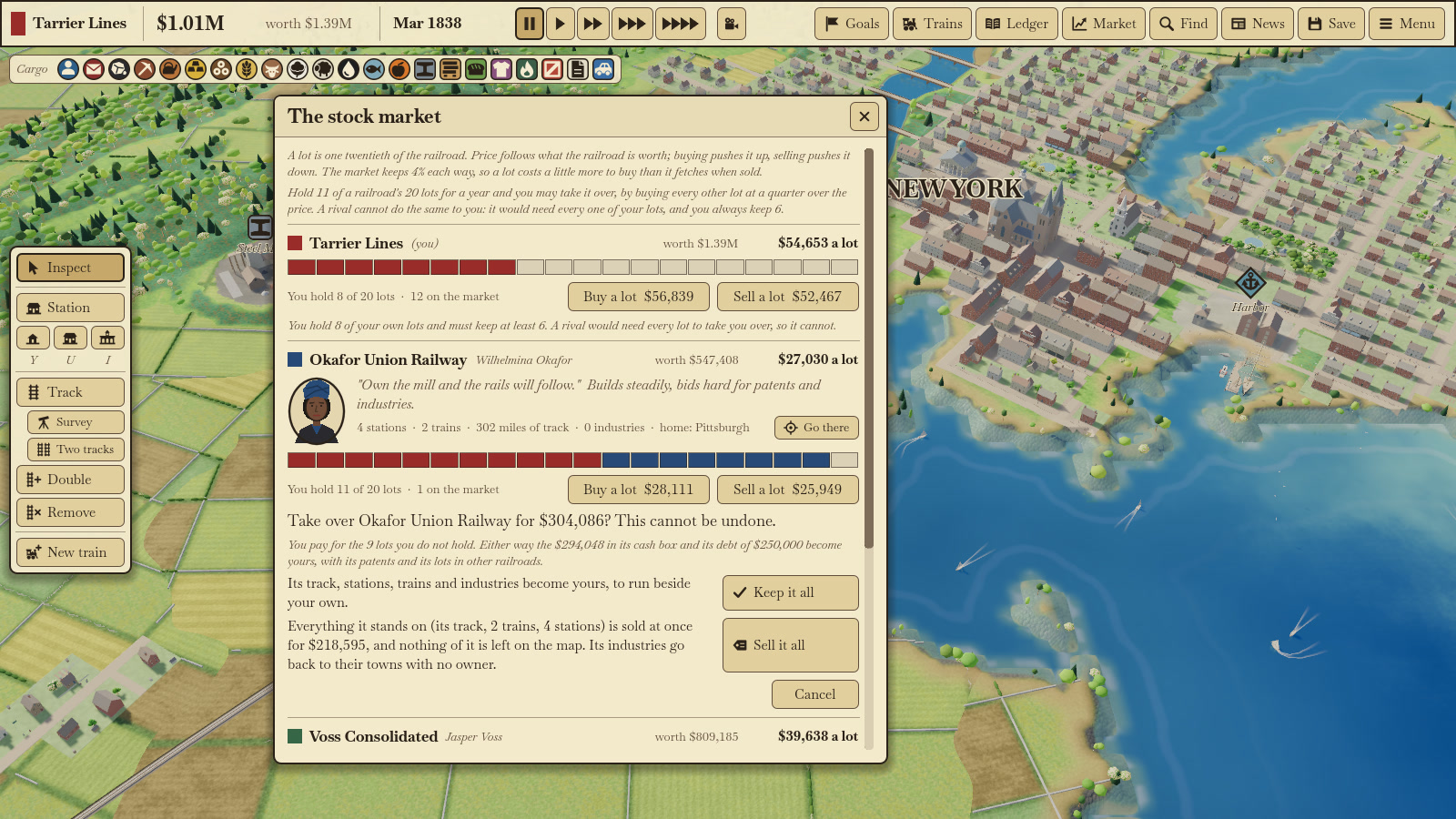
Bid at auction for the mines and mills you serve. Buy stock in the railroads around you, up to seven of them, each with its own way of doing business. Take one over and keep its line, or sell it off.
IV Grow
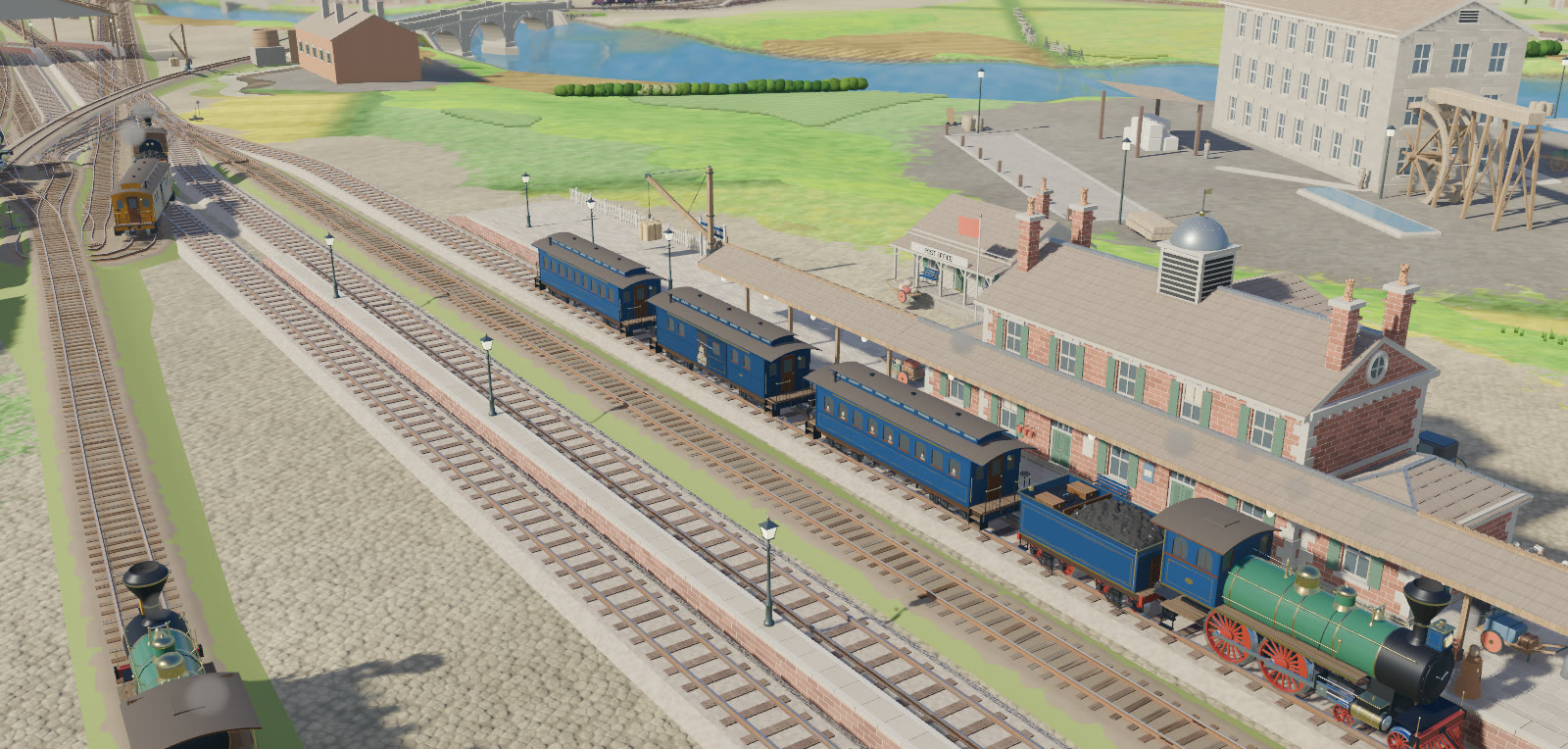
Towns grow where your trains call. The engines grow too: twenty of them, from the Planet of the 1830s to the electrics of the 1980s.
Zoom in one motion from the whole map down to the cab.
Five real maps, and as many invented ones as you like
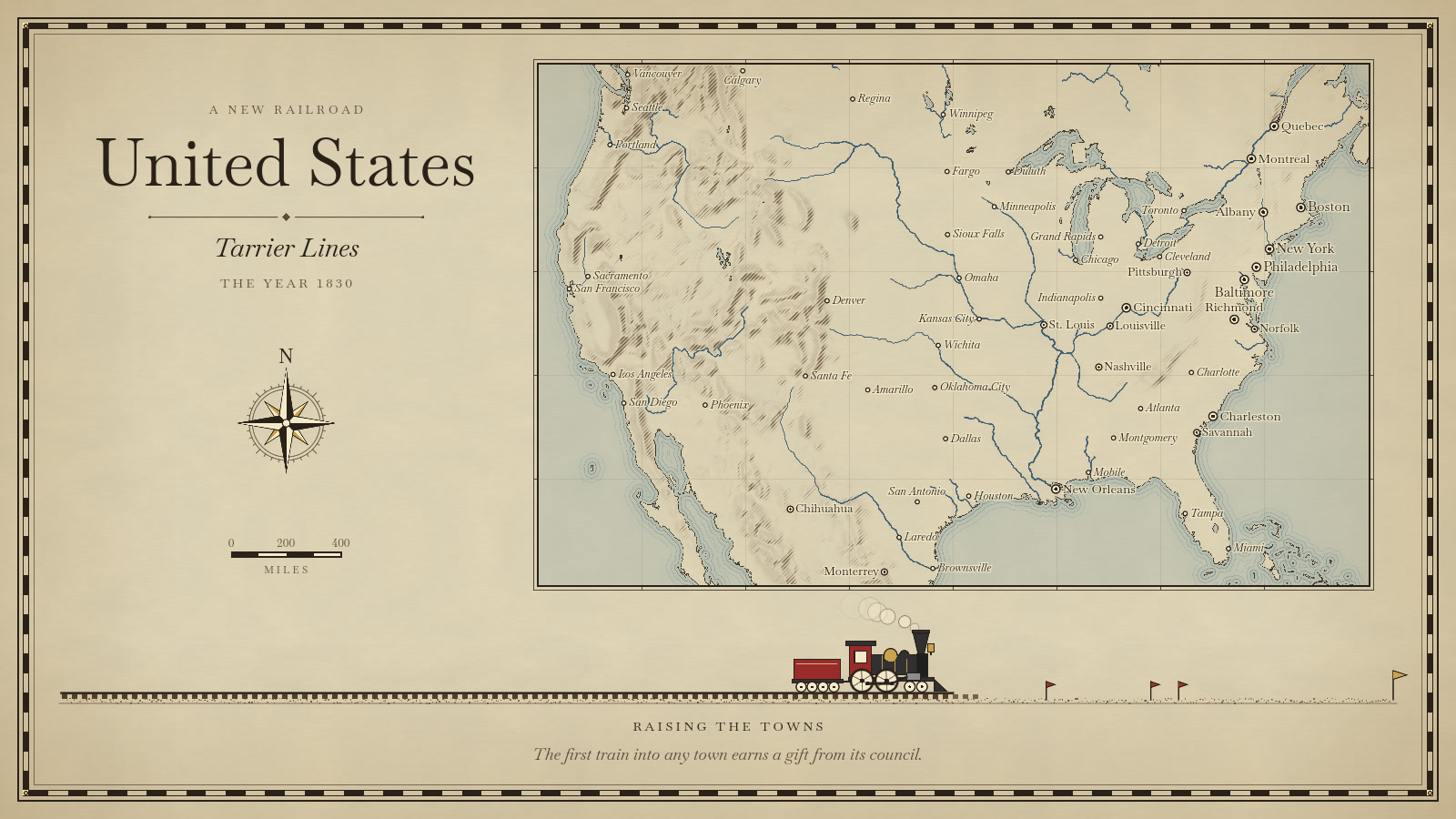
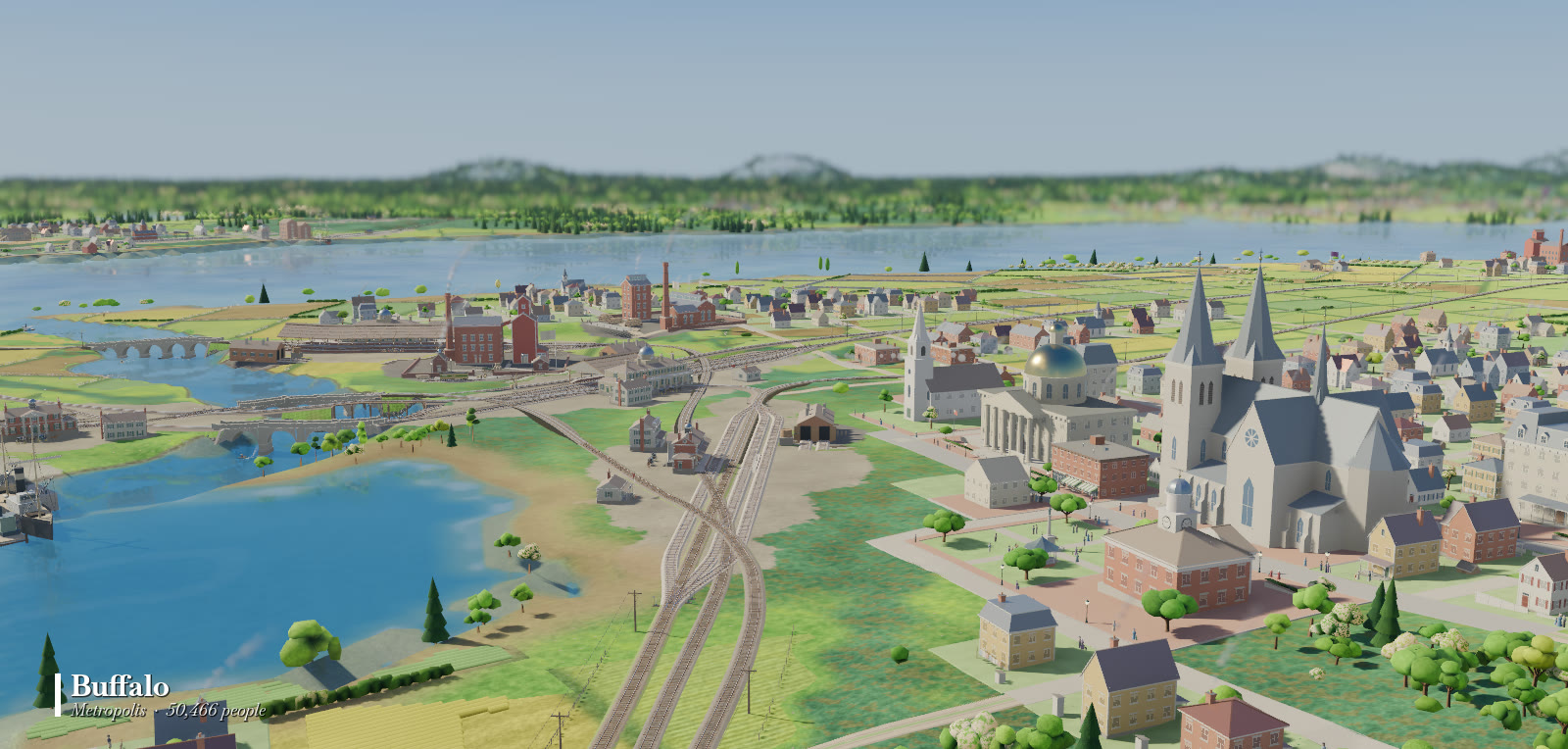
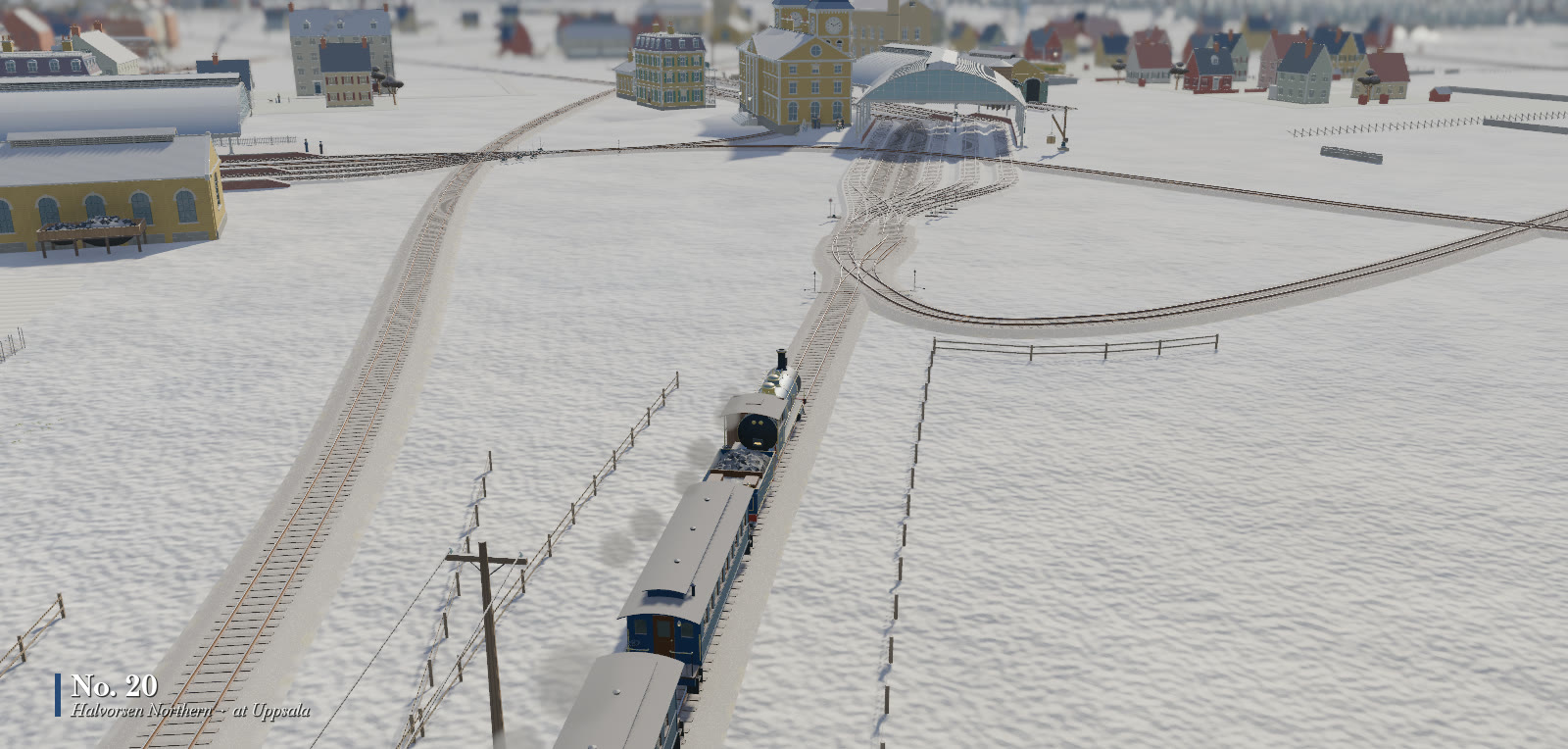
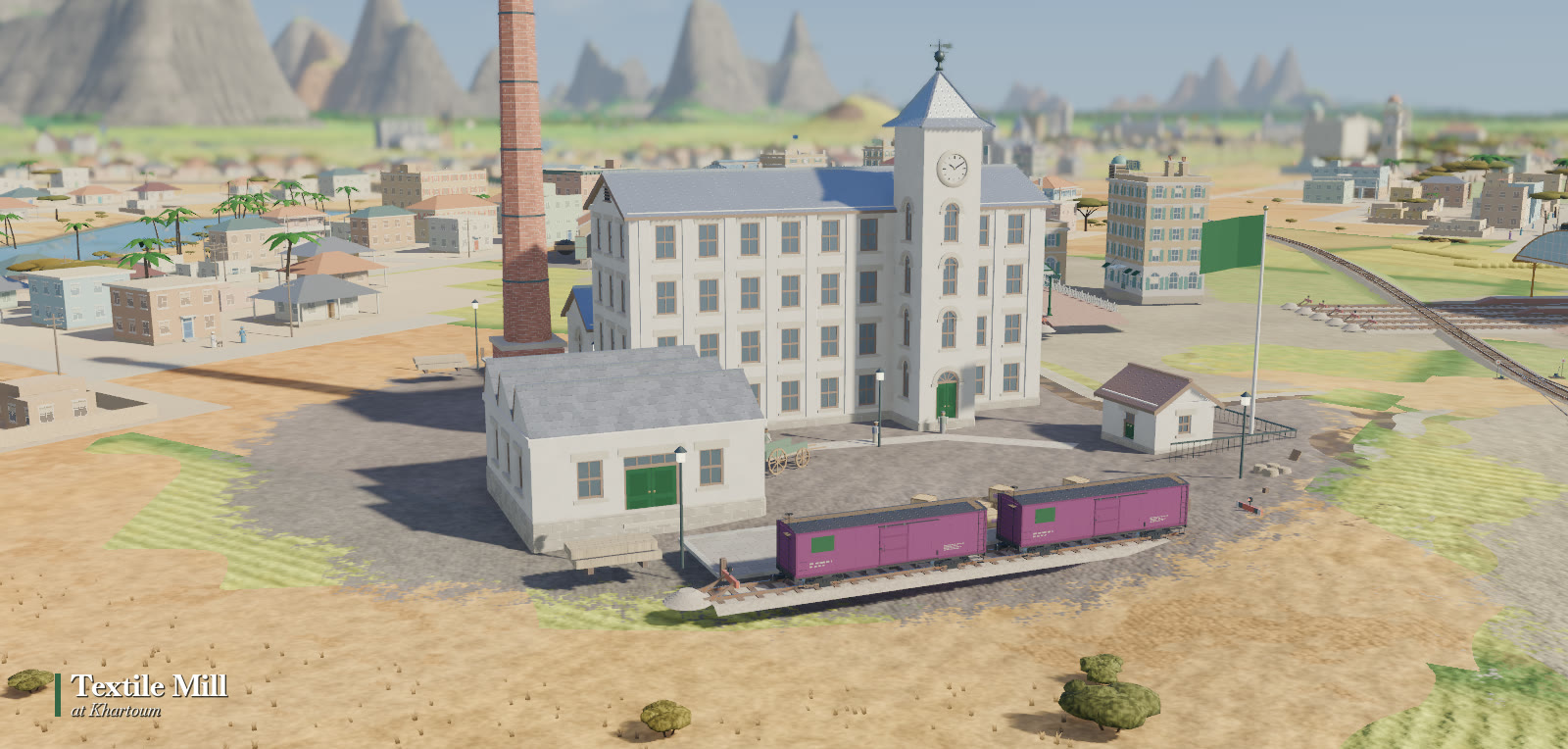
The Northeast, the United States, the Pacific Northwest, Scandinavia and Africa, built from real elevation data. Seven scenarios with goals and medals. Or have the game make up a map and see what you get.
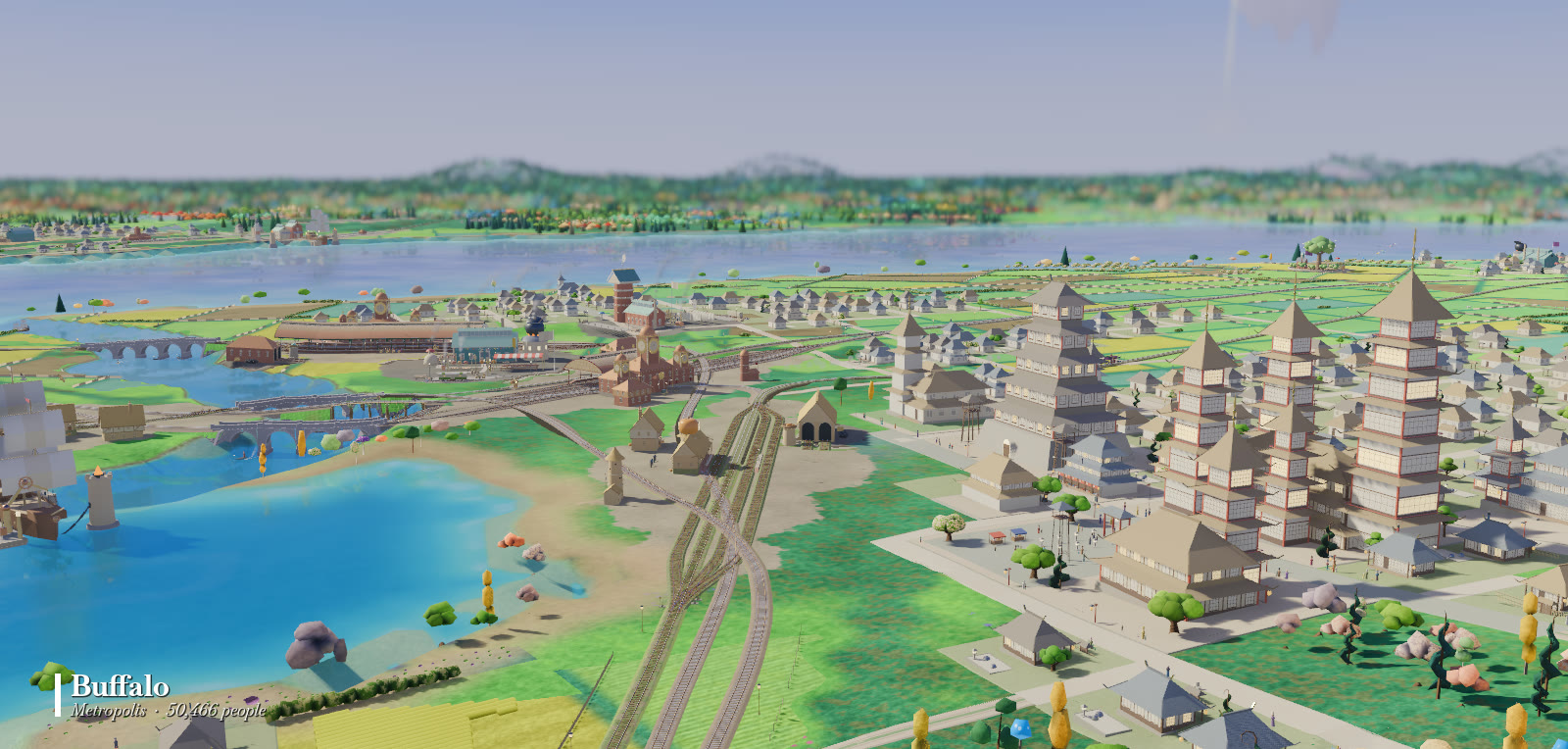
And a storybook
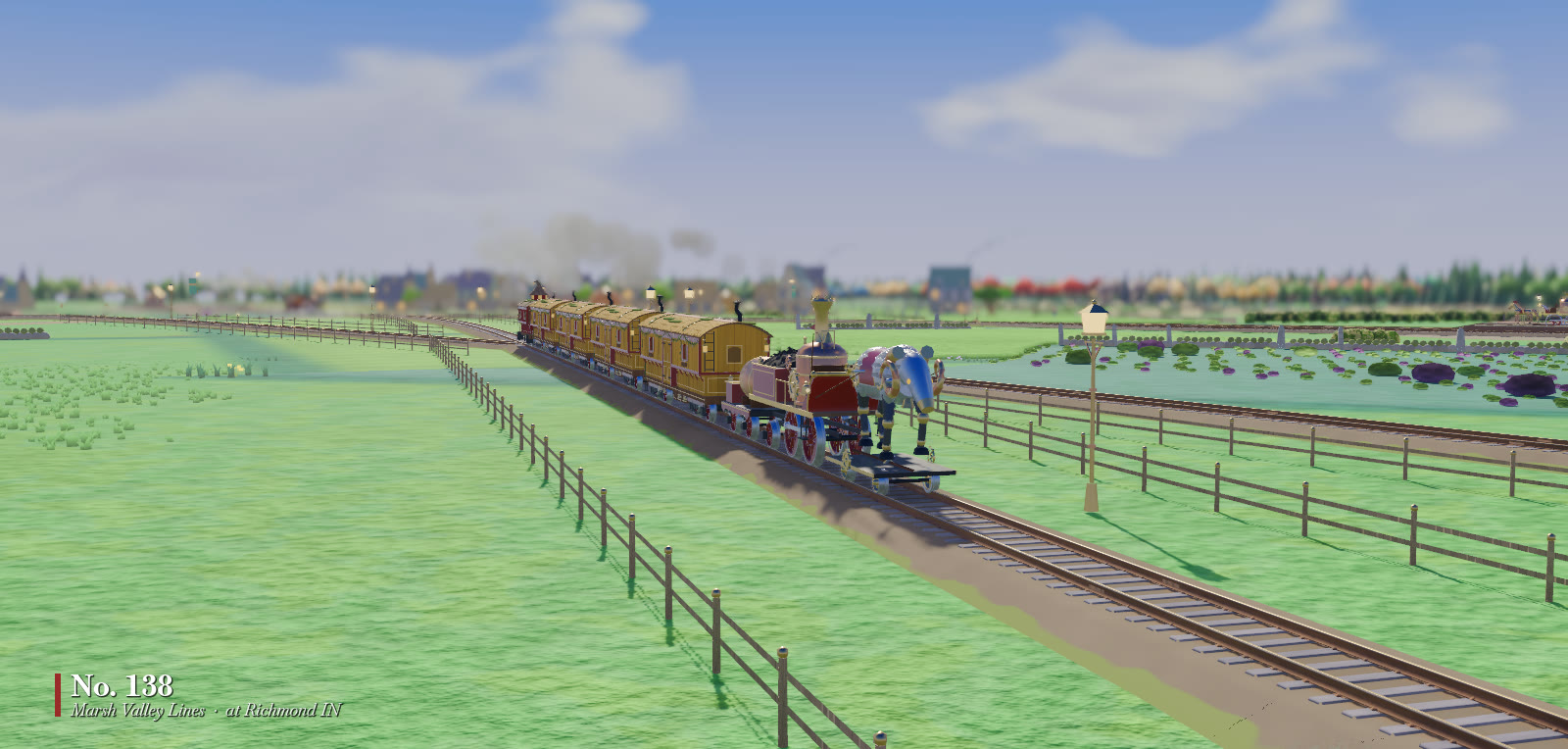
One switch redraws the same maps and the same game as a fantasy: pumpkin coaches, brass chariots, dragons in harness.
Every model, sound and tune in the game is made by the program itself. There are no art files and no recordings.